Mortar Failure Stops Before Structural Damage
Brick Repair & Tuckpointing Services in Dayton for cracked mortar joints and crumbling brickwork that allow water penetration
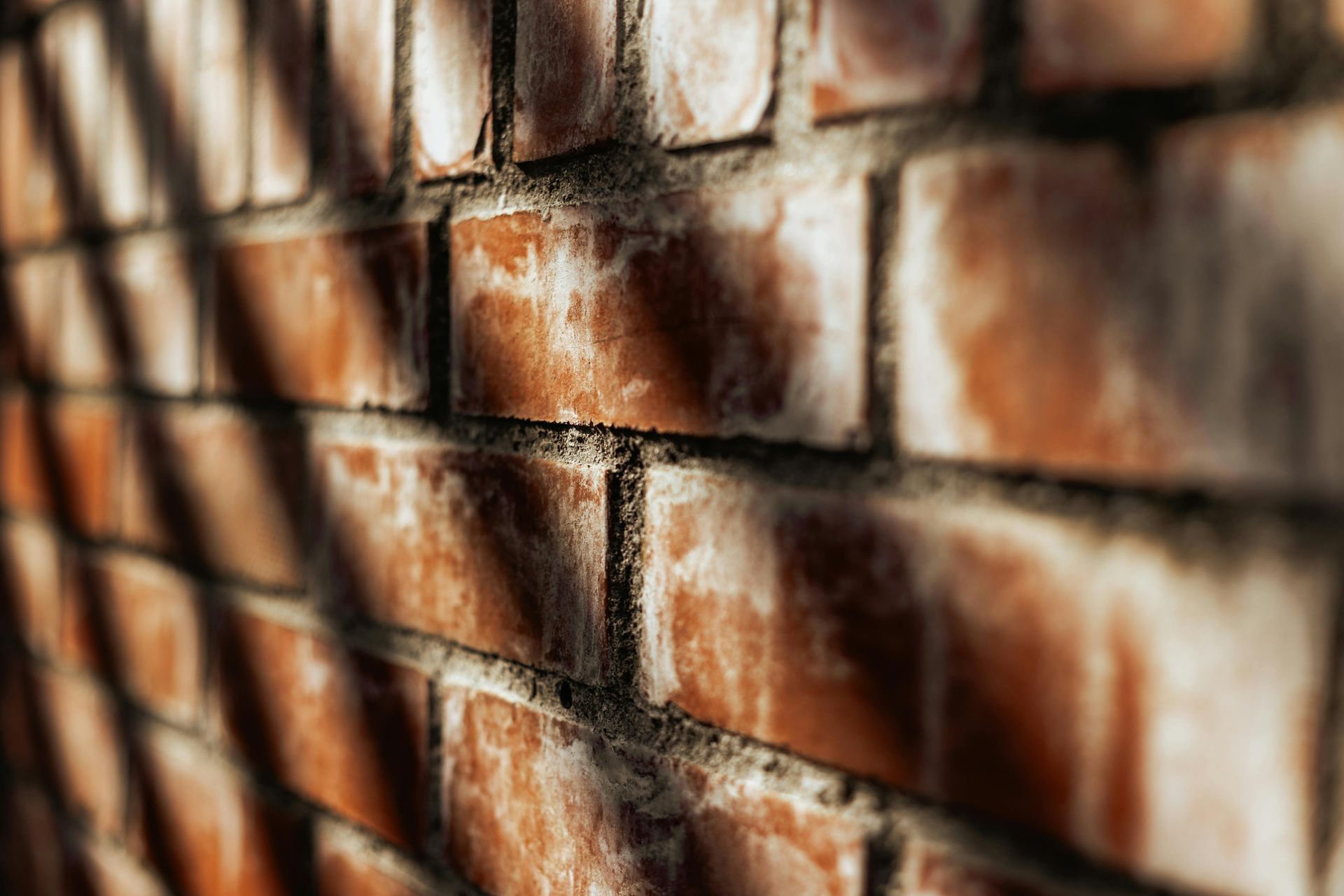
Cracked mortar joints and crumbling brickwork create direct pathways for water to enter wall cavities and compromise structural integrity. Manzano Masonry Group LLC addresses these failures through brick repair and tuckpointing that removes deteriorating mortar and rebuilds joints with properly matched material. The work focuses on walls where mortar has receded, developed cracks wider than a quarter inch, or turned to powder when touched.
Tuckpointing involves grinding out failed mortar to a consistent depth, typically between three-quarters of an inch and one inch, then filling the clean joint with fresh mortar that matches the original in composition and color. The new mortar cures to form a weather-resistant bond that prevents water from traveling behind the brick face. Replacing deteriorating mortar prevents water entry and saves money by stopping damage before it reaches structural components like lintels, sills, and wall ties.
Schedule a property evaluation to identify specific mortar joints requiring replacement.
What Proper Tuckpointing Requires
The mortar removal process determines whether tuckpointing will last decades or fail within years. Grinding removes damaged mortar without disturbing the brick edges, creating a uniform channel that accepts new material without voids or weak spots. The replacement mortar must match the original's lime-to-cement ratio, as modern high-strength mortars often prove too hard for older brick and cause edge spalling when thermal expansion occurs.
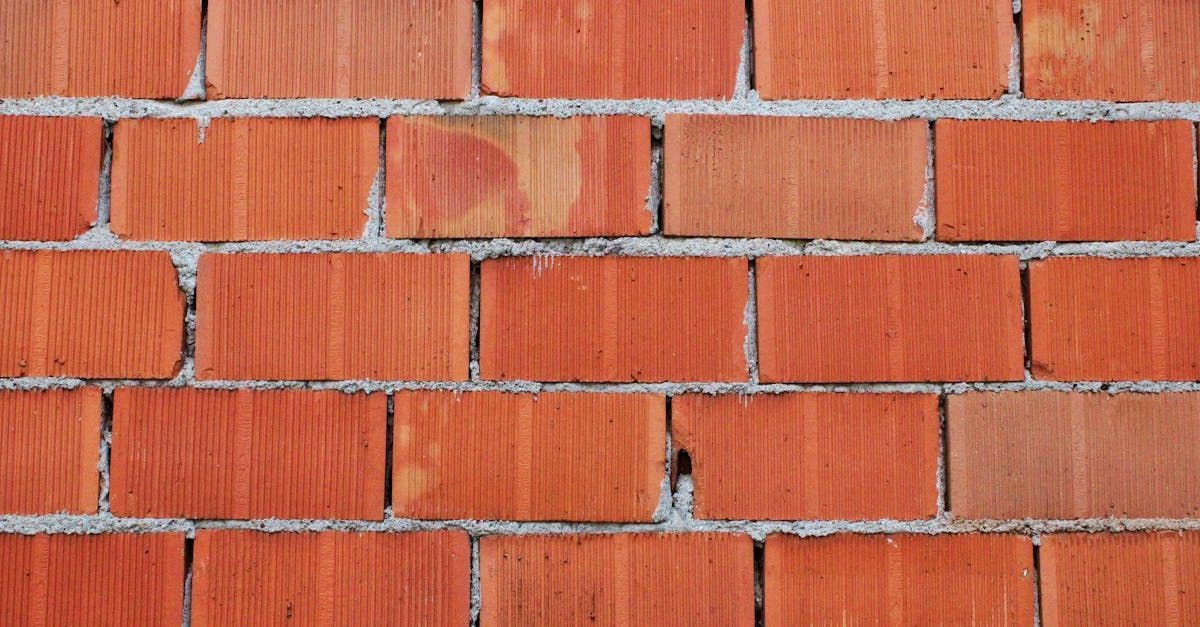
Once joints are rebuilt and cured, you notice uniform mortar lines without cracks, gaps, or recessed pockets where water previously collected. Properly tooled joints shed water away from the wall rather than channeling it inward. The brick face remains intact because the mortar compresses slightly during freeze-thaw cycles instead of transferring stress to the brick itself.
The process includes cleaning the wall after grinding to remove dust and debris, moistening the joints before filling to prevent premature water loss from the fresh mortar, and tooling the joints to match the existing profile. Color matching occurs through careful selection of sand and pigment ratios, as mortar changes shade slightly during curing.
Common Questions About This Service
Property owners in Dayton often ask about timing, materials, and what the work involves before addressing visible mortar failure.
What happens during the mortar removal process?
A grinder equipped with a dust shroud removes deteriorated mortar to a depth that exposes sound material, typically three-quarters to one full inch depending on joint width and damage extent.
How does weather affect tuckpointing in Dayton?
Mortar curing requires temperatures above 40 degrees Fahrenheit for at least 72 hours, making late spring through early fall the optimal window in Dayton where freeze-thaw cycles can damage fresh work.
Why does mortar fail before brick does?
Mortar intentionally uses a softer composition than brick so it absorbs movement and moisture cycling, sacrificing itself to protect the masonry units from cracking.
What does the finished work look like?
Joints appear uniform in depth and color with crisp edges where mortar meets brick, and the tooled surface sheds water rather than holding it in recessed pockets.
How long does replaced mortar last?
Properly mixed and installed mortar typically performs for 25 to 50 years depending on exposure, wall orientation, and maintenance practices.
Manzano Masonry Group LLC provides tuckpointing that addresses current mortar failure while matching the composition and profile of your original joints. Request a detailed estimate based on your current wall condition and the extent of joint deterioration visible on each elevation.
