Stone Surfaces Rebuilt to Original Profile
Custom Stone Repair & Surface Restoration in Dayton for damaged brick, stone, and concrete surfaces showing cracks, spalling, or missing sections
Stone veneer and concrete surfaces develop cracks, spalling, and section loss when water penetrates the material and freezes, or when settling creates stress concentrations that exceed the stone's tensile strength. The damage shows as flaking surfaces, corners broken away, or vertical cracks that widen during temperature changes. Manzano Masonry Group LLC specializes in restoring the integrity and appearance of damaged brick, stone, and concrete surfaces through repairs that rebuild missing sections and stabilize cracked areas before further deterioration occurs.
Surface restoration requires identifying why the damage occurred, whether from water infiltration, inadequate support, or thermal movement, then addressing that cause while rebuilding the affected area. Cracked stone gets pinned and filled with color-matched repair mortar, while spalled sections are cut back to sound material and rebuilt using layers that bond chemically and mechanically to the existing surface.
Arrange an on-site consultation to review foundation requirements and assess the extent of surface damage on each affected area.
How Surface Restoration Addresses Structural Integrity
Restoration begins with removing loose or delaminated material until solid substrate appears, which sometimes means cutting back farther than the visible damage suggests. The prepared surface gets cleaned, moistened, and treated with a bonding agent before applying repair mortar in lifts that match the stone's original texture and color. Each lift cures before the next application to prevent shrinkage cracks and ensure proper adhesion throughout the repair depth.
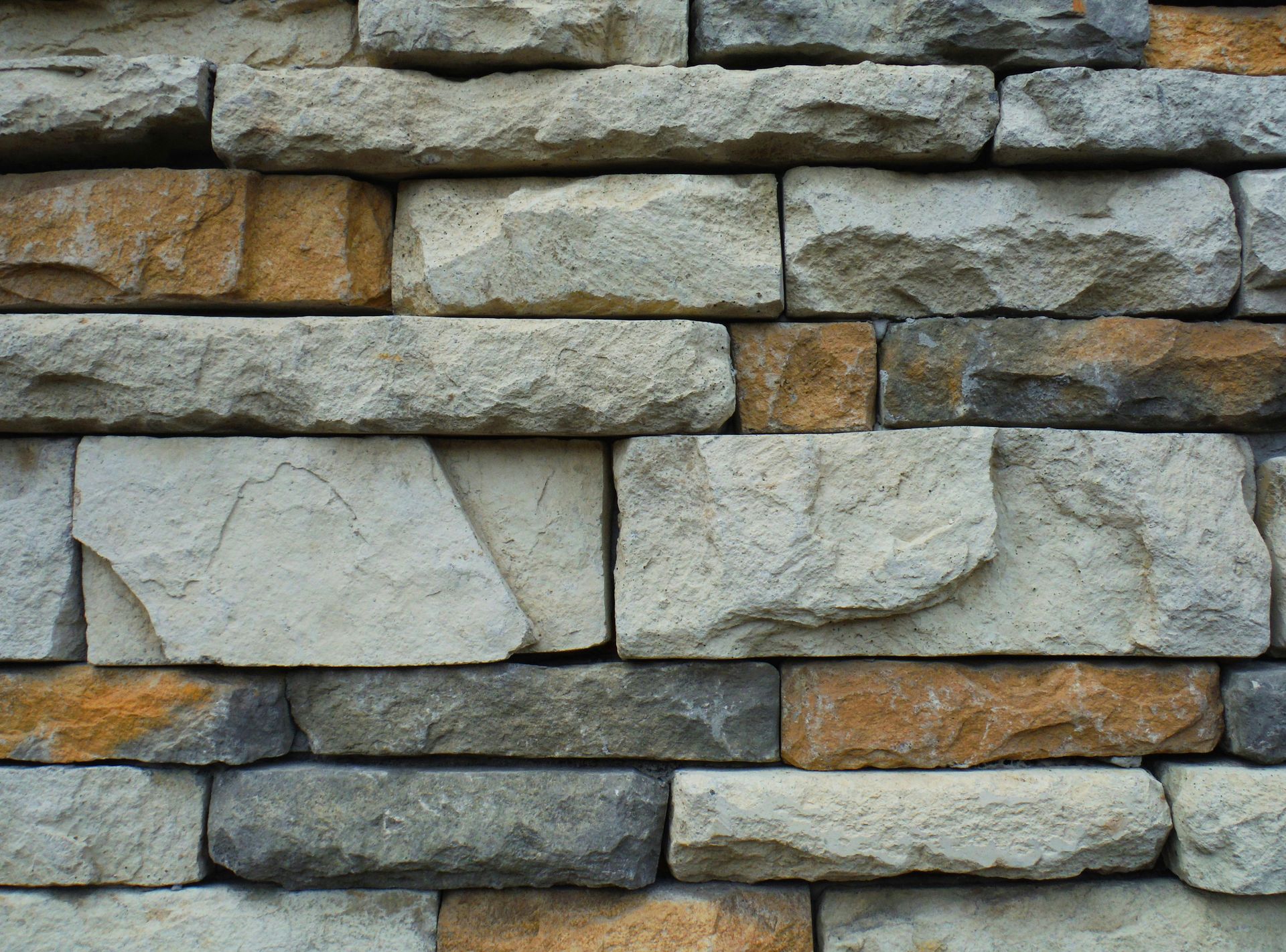
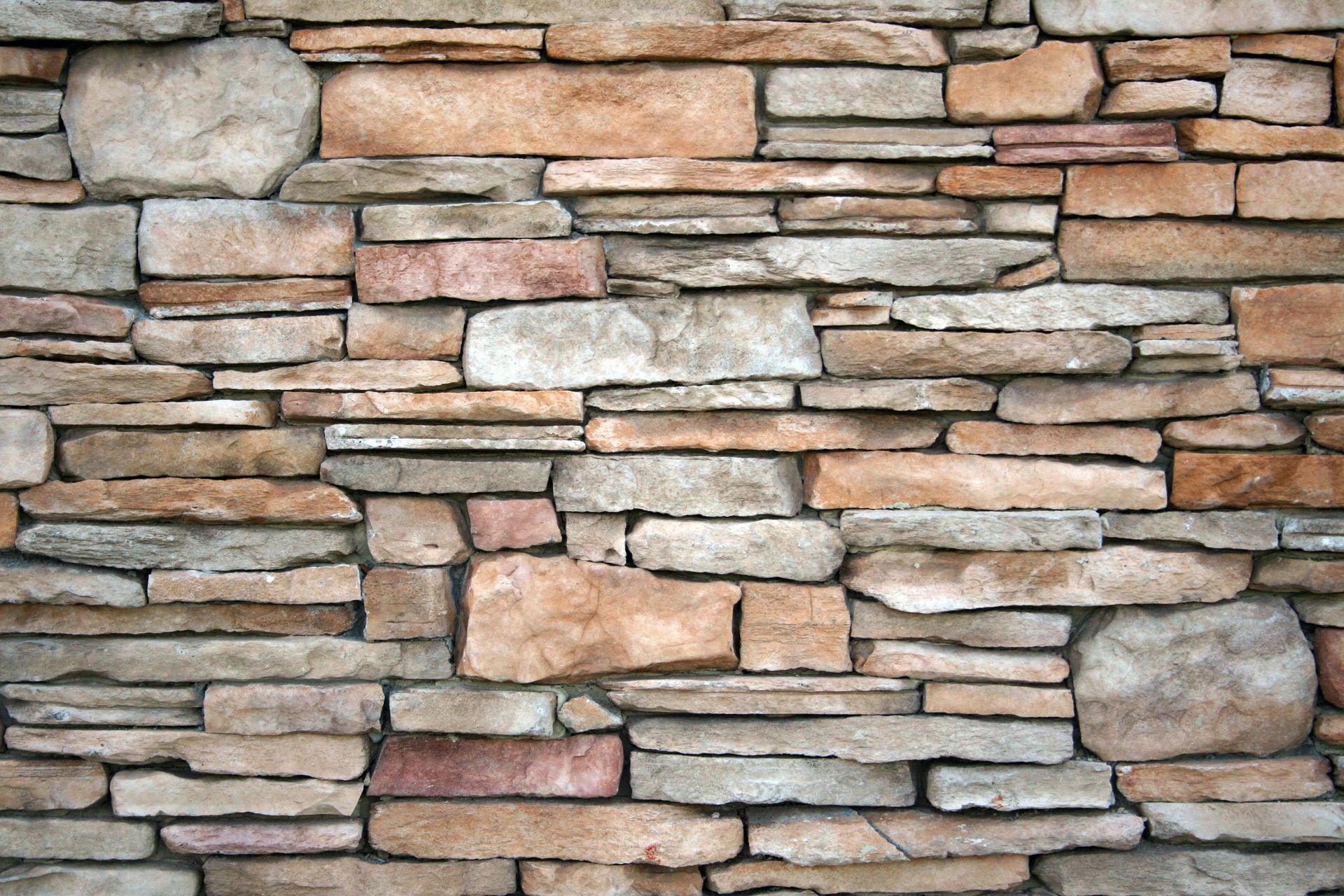
After the work completes, restored stone surfaces show consistent color and texture without the cracks, voids, or flaking that previously allowed water to penetrate deeper into the wall system. Corners regain their original profile, and vertical surfaces shed water uniformly instead of channeling it into damaged areas where freeze-thaw action accelerates deterioration.
The restoration process often includes installing weep holes or drainage paths if water accumulation caused the original failure, and may require reinforcing compromised sections with stainless steel pins or carbon fiber mesh depending on load conditions. Surface sealers are applied only after complete curing and only when appropriate for the stone type and exposure conditions.
What Property Owners Usually Ask
Before starting restoration work, clients typically want to know about matching existing materials and how long repairs will hold up under weather exposure.
What does the surface preparation involve?
All loose material gets removed using chisels, grinders, or small pneumatic hammers until the remaining substrate sounds solid when tapped, then the surface is wire-brushed and cleaned to remove dust that would prevent bonding.
How do you match the stone color and texture?
Color matching uses carefully proportioned blends of cement, lime, sand, and mineral pigments tested on sample patches that cure for several days before final application begins.
When should stone repairs happen in Dayton's climate?
Spring and fall provide the most stable curing conditions, as summer heat can pull moisture from repair mortar too quickly while winter temperatures prevent proper hydration and strength development.
What causes stone to spall in the first place?
Water enters through cracks or porous areas, then expands when freezing to create pressure that exceeds the stone's strength, popping off surface layers in a process that accelerates once it starts.
How do you prevent the same damage from recurring?
Addressing the water source through improved drainage, flashing, or joint sealing stops the cycle that caused the original failure, making the repair permanent rather than temporary.
Manzano Masonry Group LLC restores stone surfaces using methods that address both the visible damage and the underlying cause of failure. Contact us to schedule an evaluation of your damaged stone or concrete surfaces and receive a repair plan based on the specific conditions present.
