Walls Protected Before Damage Requires Repair
Preventative Masonry Maintenance & Weather Protection in Dayton for brick and stone structures exposed to freeze-thaw cycles and moisture infiltration
Freeze-thaw cycles in Dayton create conditions where water absorbed into masonry expands during freezing, generating internal pressure that leads to spalling, joint deterioration, and surface cracking over multiple seasons. A maintenance plan addresses vulnerabilities before they develop into structural issues requiring costly reconstruction. Masonry maintenance involves inspecting joints for early deterioration signs, sealing entry points where water penetrates, and applying protective treatments that reduce moisture absorption without trapping vapor inside the wall assembly.
Manzano Masonry Group LLC designs maintenance plans to prevent further damage by identifying weak mortar joints, hairline cracks, and areas where water staining indicates infiltration paths. Specialized sealants protect brick and stone from Dayton's climate by forming a breathable barrier that repels liquid water while allowing water vapor to escape, preventing the trapped moisture problems that non-breathable coatings create.
Request a property assessment to establish a maintenance schedule based on your wall age and current condition.
The Difference Between Reactive and Preventative Work
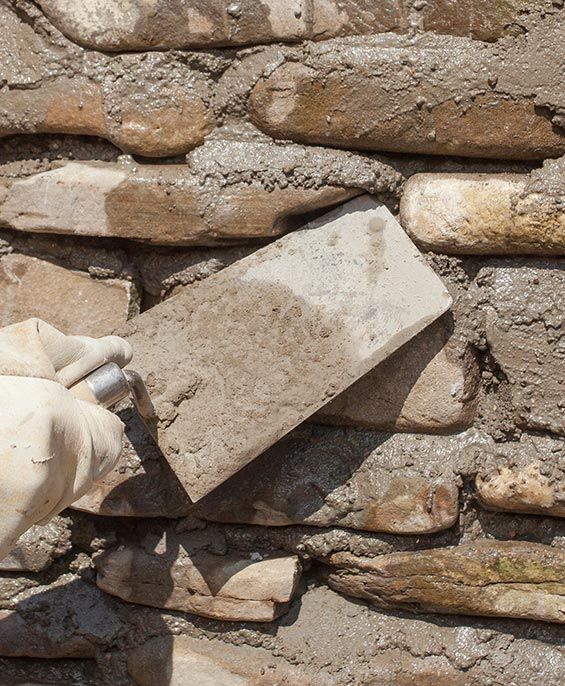
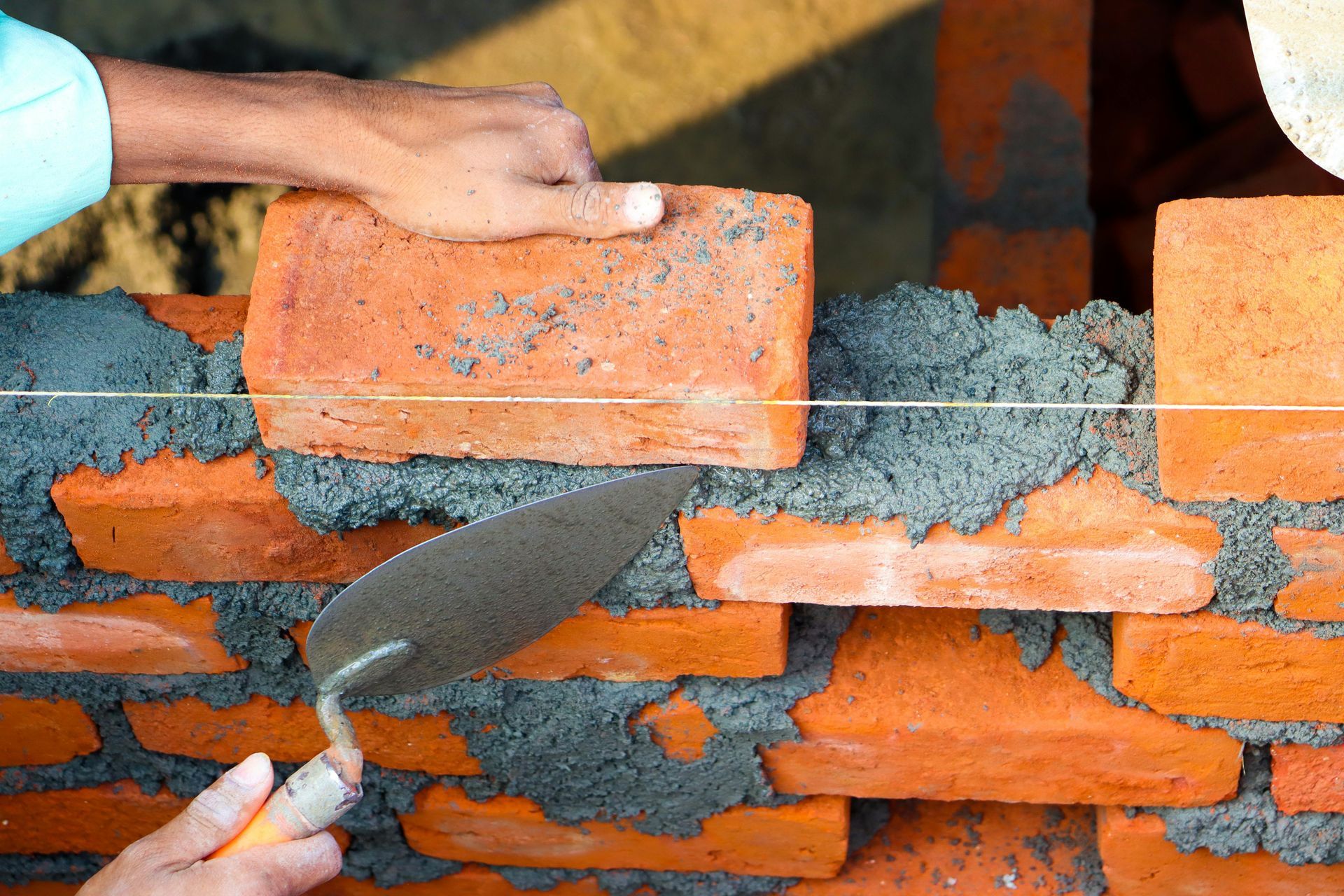
Preventative maintenance identifies mortar erosion when joints have receded by an eighth of an inch rather than waiting until half-inch gaps require full tuckpointing, and catches cracks while they remain hairline width instead of after they've opened enough to admit water behind the veneer. The approach includes repointing isolated weak joints, filling minor cracks with flexible sealant, and applying penetrating sealers to walls showing early water absorption signs like efflorescence or uneven drying patterns after rain.
Once the maintenance work completes, your masonry sheds water consistently across the entire surface without dark patches that indicate absorption, mortar joints remain flush with brick faces instead of receding into shadow lines, and efflorescence stops appearing because salts no longer migrate to the surface through moisture movement. These changes extend the time between major repairs from 15 years to 30 or more depending on exposure severity.
Maintenance intervals depend on wall orientation, with south and west faces requiring more frequent attention due to direct sun and driving rain exposure. The specialized sealants used in weather protection penetrate the masonry surface rather than forming a film, allowing the material to breathe while reducing water uptake by 80 to 95 percent during typical weather events.
Answers to Frequent Service Questions
Clients considering maintenance programs typically ask about timing, what gets inspected, and how the preventative approach saves money compared to waiting for visible problems.
What gets inspected during a maintenance visit?
The inspection covers all visible mortar joints for erosion or cracking, brick faces for spalling or efflorescence, corners and openings for movement cracks, and areas below roof edges or near grade where water exposure concentrates.
How do sealants work without trapping moisture inside walls?
Penetrating sealers chemically bond within the pore structure of masonry rather than coating the surface, creating a hydrophobic effect that repels water droplets while vapor molecules remain small enough to pass through.
When should maintenance start for existing masonry?
Walls between 10 and 15 years old benefit most from starting preventative programs, as minor joint erosion becomes visible but hasn't progressed to require extensive tuckpointing across large areas.
Why does preventative work save money in Dayton?
Addressing joint erosion before water reaches the wall cavity prevents damage to structural ties, lintels, and sheathing that cost significantly more to access and replace than surface mortar.
How often should maintenance inspections occur?
Annual inspections identify problems during early stages, though walls with known vulnerabilities or severe exposure may benefit from semi-annual reviews during spring and fall when weather changes accelerate deterioration.
Maintenance plans from Manzano Masonry Group LLC are designed to prevent further damage by catching problems while they remain minor and addressing them before structural components become involved. Schedule an initial inspection to establish baseline conditions and develop a maintenance timeline suited to your property's specific exposure and age.
